
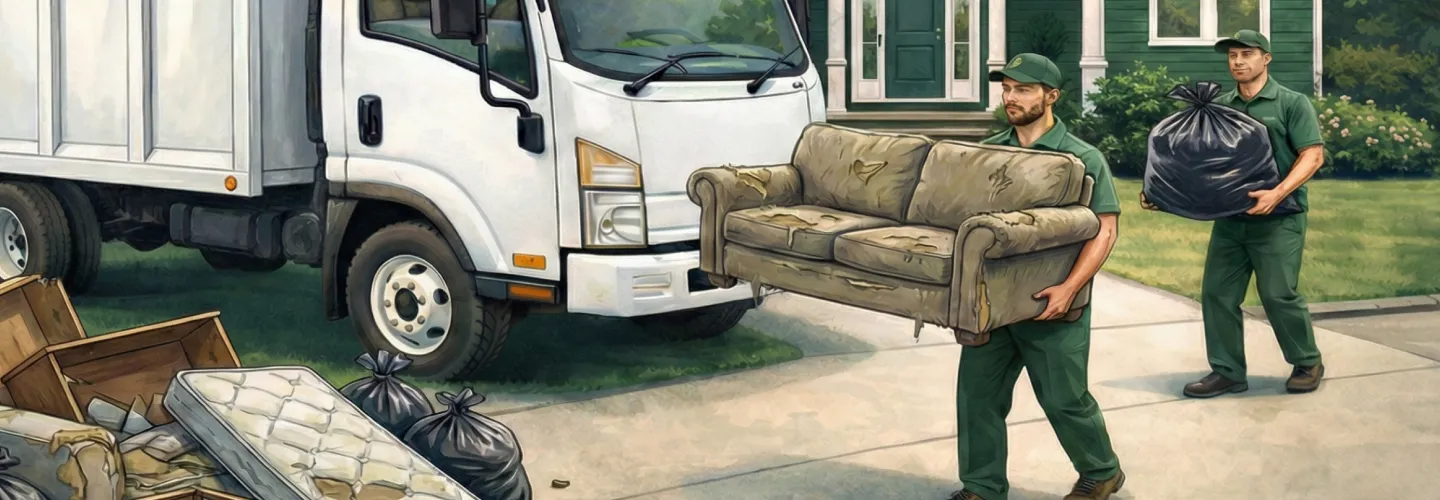
Chamblee Construction Debris Removal Services
Choose our construction debris removal for fast, reliable service that keeps your site safe, compliant, and clutter-free—so you can focus on building, not cleaning.
Get a Free QuoteOur Chamblee Junk Removal Services
Construction Debris Removal in Chamblee, GA – Local Service Guide
Construction debris removal in Chamblee, GA, is essential for keeping homes and businesses safe, clean, and compliant with local regulations. In neighborhoods like Keswick Village and Huntley Hills, residents often need debris removal after home renovations, appliance upgrades, or seasonal cleanouts. Items such as old furniture, mattresses, and appliances are commonly replaced during spring and fall, while yard waste and storm debris are frequent after heavy rains or wind events. For residential spaces like garages and basements, flooding or tree coverage can increase the need for timely removal, especially in areas prone to water accumulation. Commercial properties in Chamblee’s Peachtree Boulevard corridor, including offices and restaurants, require efficient debris management to minimize downtime and maintain operational standards. Specialty services—such as dumpster rentals for construction sites or coordinated cleanouts for estate and foreclosure properties—demand careful planning and adherence to city guidelines. For details on local disposal rules and permit requirements, visit the Chamblee Public Works Department.
Key Considerations for Construction Debris Removal in Chamblee
- Timing: Plan around local weather and project schedules
- Permits: Check city requirements for large-scale removals
- Disposal Channels: Use approved recycling and landfill sites
- Access: Ensure trucks can reach your property, especially in tight neighborhoods
- Volume: Estimate debris size for proper container selection
- Coordination: Schedule pickups to align with project milestones and minimize disruption
Benefits of Construction Debris Removal in Chamblee
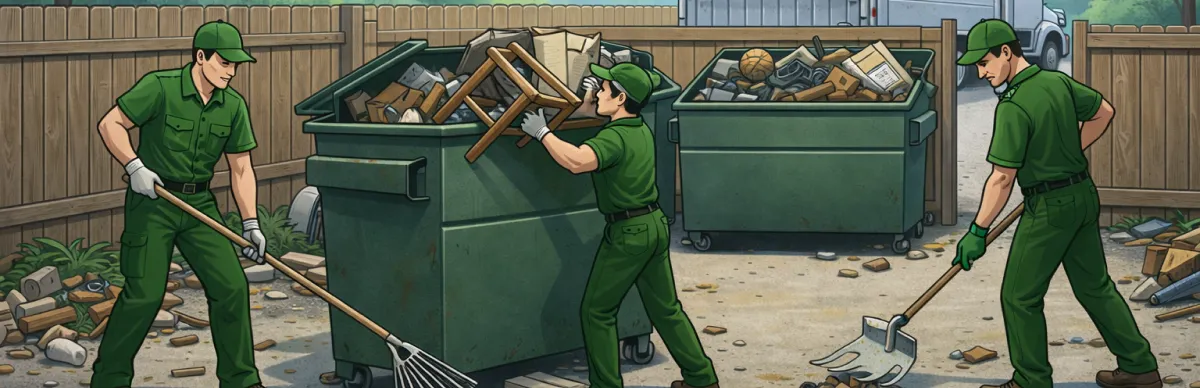
Fast and Reliable Cleanup
Eco-Friendly Disposal Solutions
Improved Site Safety
Cost-Effective Debris Removal
Flexible Scheduling Options
Experienced Local Professionals
Coordinating Construction Debris Removal with Chamblee's Public Works Department
Construction and demolition (C&D) debris generated from renovation, remodeling, or demolition projects in Chamblee must be managed in accordance with municipal and county disposal requirements. The Chamblee Public Works Department oversees sanitation services and infrastructure maintenance, but C&D waste is generally excluded from standard residential curbside collection. Property owners and contractors are responsible for arranging proper hauling and disposal through licensed waste transporters or approved facilities.
Key considerations for construction debris removal in Chamblee include:
- Prohibited curbside materials: Concrete, brick, drywall, roofing shingles, lumber, and other C&D waste may not be placed at the curb for regular pickup
- Licensed haulers: Contractors must use haulers permitted to transport C&D waste to approved disposal or recycling facilities
- DeKalb County facilities: Chamblee falls within DeKalb County, and residents may access county-operated transfer stations for eligible materials
- Volume thresholds: Projects generating large volumes of debris require advance planning for staged removal to avoid code violations
Chamblee Public Works Department
5468 Peachtree Road, Chamblee, GA 30341
Phone: (770) 986-5010
Official Website: Chamblee Public Works Department
Chamblee Building Permit Requirements for Demolition and Renovation Debris
Before initiating any construction, demolition, or major renovation project in Chamblee, property owners must obtain the appropriate building permits through the Chamblee Planning and Development Department. Permit applications undergo plan review and inspection processes that may include requirements for debris management and site cleanliness during active construction.
Essential permitting and compliance steps include:
- Building permit applications: Submit through Chamblee's permitting office; plan review evaluates scope of work, structural changes, and waste management provisions
- Demolition permits: Full or partial demolition projects require separate demolition permits with documentation of utility disconnections and debris disposal plans
- Tree removal coordination: Projects involving tree clearing require a separate tree removal permit to protect Chamblee's urban canopy
- Zoning compliance: Debris staging areas, temporary storage, and hauling vehicle access must comply with Chamblee zoning regulations
- Inspection requirements: Active construction sites are subject to inspection for proper debris containment and site maintenance
Chamblee Planning & Development Department
5468 Peachtree Road, Chamblee, GA 30341
Phone: (770) 986-5010
Official Website: Chamblee Permitting Services
Georgia's Solid Waste Management Act and Construction Debris Disposal Standards
Construction and demolition debris disposal in Chamblee is governed at the state level by the Georgia Comprehensive Solid Waste Management Act (O.C.G.A. § 12-8-20) administered by the Georgia Environmental Protection Division (GA EPD). This legislation establishes permitting requirements for solid waste handling facilities, sets standards for C&D landfills, and mandates proper waste characterization before disposal.
Georgia-specific regulatory requirements for construction debris include:
- C&D landfill classification: Georgia distinguishes between inert waste landfills (accepting concrete, brick, and uncontaminated soil) and construction/demolition landfills accepting mixed C&D materials
- Prohibited materials: Hazardous waste, asbestos-containing materials, and liquid waste are prohibited from C&D landfills and require specialized handling
- Manifest and tracking: Haulers transporting C&D waste must maintain records of origin, volume, and destination facility
- Illegal dumping penalties: Unauthorized disposal of construction debris carries fines and potential criminal penalties under Georgia law
- Asbestos notification: Demolition or renovation of structures containing asbestos requires notification to GA EPD at least 10 working days prior to commencement per federal NESHAP regulations
Georgia Environmental Protection Division
2 Martin Luther King Jr. Drive SE, Suite 1456, Atlanta, GA 30334
Phone: (404) 656-4713
Official Website: Georgia Environmental Protection Division
Stormwater Protection and Erosion Control During Chamblee Construction Projects
Construction debris removal activities in Chamblee must comply with stormwater management regulations to prevent sediment, pollutants, and construction materials from entering the municipal storm drain system. The Chamblee Stormwater Utility enforces erosion and sediment control measures on active construction sites, and failure to maintain proper best management practices (BMPs) can result in stop-work orders and fines.
Critical stormwater compliance requirements during debris removal include:
- Erosion and sediment control plans: Projects disturbing one acre or more require a Land Disturbance Permit and an approved erosion control plan
- Debris containment: Loose construction materials, sawdust, drywall fragments, and packaging must be contained on-site to prevent migration into storm drains
- Washout areas: Concrete washout must occur in designated, lined containment areas—not near storm drains, ditches, or waterways
- Inlet protection: Storm drain inlets adjacent to construction sites must be protected with silt fencing, filter fabric, or inlet barriers
- Site stabilization: Exposed soil from demolition or grading must be stabilized within timeframes specified by the permit
Chamblee Stormwater Utility
5468 Peachtree Road, Chamblee, GA 30341
Phone: (770) 986-5010
Official Website: Chamblee Stormwater Utility
Material Sorting and Recycling Opportunities for Chamblee Construction Debris
Diverting reusable and recyclable construction materials from landfills is an important component of responsible debris management in Chamblee. The Chamblee Sustainability initiative supports environmental stewardship, and property owners and contractors are encouraged to separate recoverable materials before disposal. Several material categories generated during construction and demolition projects have established recycling pathways in the greater Atlanta metropolitan area.
Common construction materials eligible for recycling or recovery include:
- Concrete and masonry: Clean concrete, brick, and block can be crushed and reused as aggregate at permitted inert waste processing facilities
- Scrap metal: Steel, copper, aluminum, and other metals from framing, plumbing, wiring, and fixtures have significant resale value at scrap yards
- Clean wood: Untreated, unpainted lumber may be accepted at wood recycling facilities for mulch production or biomass energy
- Asphalt shingles: Some facilities in the Atlanta area accept asphalt shingles for recycling into road paving material
- Cardboard and packaging: Construction packaging materials should be separated and placed in appropriate recycling streams
- Appliances and fixtures: Salvageable items such as cabinets, doors, windows, and plumbing fixtures may be donated to organizations like Habitat for Humanity ReStore
Treated or painted wood, contaminated materials, and mixed debris loads may not qualify for recycling and must be disposed of at permitted C&D landfills.
What Neighborhoods Do We Serve Throughout Chamblee, GA?
- Downtown Chamblee: The historic downtown core features a mix of older commercial buildings and adaptive reuse structures. Renovation projects in this area may encounter lead paint or asbestos in pre-1978 buildings, requiring specialized handling and EPA-compliant work practices during debris removal.
- Huntley Hills: This established single-family residential neighborhood features mid-century homes frequently undergoing kitchen and bathroom remodels. Wide residential streets generally accommodate debris hauling vehicles, though tree canopy coverage may limit overhead clearance.
- Keswick Village: A newer mixed-use development area with townhomes and commercial spaces. Construction debris from tenant build-outs and interior renovations requires coordination with property management for staging areas and hauling vehicle access.
- Chamblee-Dunwoody Road Corridor: This commercial corridor includes retail centers and office buildings undergoing periodic renovation. Debris removal scheduling must account for business operating hours and parking lot access restrictions.
- Sexton Woods: A residential neighborhood with single-family homes on wooded lots. Tree removal permits may be required alongside construction debris removal when renovation projects involve clearing or grading, and narrow lot configurations may limit debris staging space.
- International Village: A culturally diverse commercial district with small businesses and restaurants. Interior renovation debris from commercial tenant improvements requires compliance with Chamblee's commercial waste hauling requirements and coordination with adjacent business operations.