
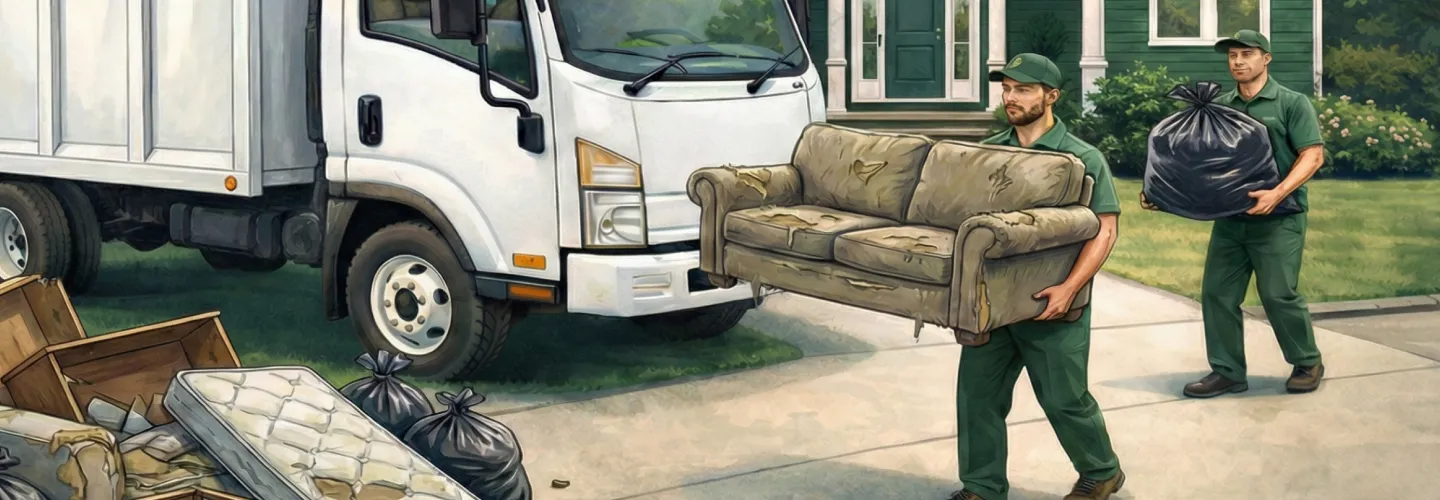
Chamblee Basement & Attic Cleaning Services
Choose our expert basement and attic cleaning services for a healthier, clutter-free home—our team removes dust, debris, and allergens, creating a safer and more comfortable living environment for your family.
Get a Free QuoteOur Chamblee Junk Removal Services
Basement & Attic Cleaning in Chamblee, GA – Local Service Guide
Basement and attic cleaning in Chamblee, GA is essential for maintaining safe, usable spaces and preventing issues like mold, pests, and clutter. In neighborhoods like Keswick Village and Huntley Hills, residents often schedule cleanouts during spring or after heavy rains to address moisture and flooding risks. For residential items such as old furniture, appliances, or electronics, triggers include seasonal upgrades, moving, or post-storm damage. Many opt to donate usable goods or recycle scrap metal, while larger items may require special disposal through city services. Access can be challenging in older homes with narrow stairs or limited parking, especially during wet weather.
For residential spaces, cleanouts are common after storms or before the summer heat, with frequency depending on tree coverage and flood-prone basements. Commercial properties in areas like Peachtree Boulevard face unique needs—restaurants and offices often require discreet, after-hours service and efficient removal of bulk items. Specialty projects, such as estate or foreclosure cleanouts, demand careful planning and coordination, especially when handling hazardous materials or large volumes.
Key Considerations for Basement & Attic Cleaning in Chamblee
- Timing cleanouts around local weather and flood risks
- Checking for required permits or disposal guidelines (Chamblee Public Works Department)
- Choosing proper disposal or recycling channels for bulky items
- Ensuring safe access for removal teams in tight or elevated spaces
- Estimating volume and coordinating with city pickup schedules
- Addressing category-specific needs, such as electronics or hazardous waste
Benefits of Basement & Attic Cleaning in Chamblee
Improved Indoor Air Quality
Enhanced Home Safety
Increased Storage Space
Prevention of Mold and Pests
Boosted Property Value
Professional and Reliable Service
Coordinating Basement and Attic Cleanout Debris with Chamblee's Public Works Department
Basement and attic cleaning projects in Chamblee often generate significant volumes of accumulated household items, old furniture, stored boxes, and miscellaneous debris. The Chamblee Public Works Department oversees sanitation services and can provide guidance on bulk waste collection options for residential cleanout projects. Residents should be aware of the following disposal considerations:
- Bulk item scheduling — Contact Public Works in advance to arrange pickup for oversized items that do not fit in standard curbside collection
- Separation requirements — Sort materials into categories including general household waste, recyclables, electronics, and hazardous materials before disposal
- Volume limitations — Large cleanout projects may exceed standard residential collection allowances, requiring additional hauling arrangements
- Curbside placement — Items must not obstruct sidewalks, fire hydrants, or stormwater drainage infrastructure
Chamblee operates within DeKalb County's broader waste management framework, so residents may also access county-level disposal facilities for materials not accepted through municipal collection.
Chamblee Public Works Department
5468 Peachtree Road, Chamblee, GA 30341
Phone: (770) 986-5010
Official Website: Chamblee Public Works Department
Hazardous Materials and Lead Paint Considerations for Pre-1978 Chamblee Homes
Many Chamblee basements and attics contain materials that require special handling under federal and state environmental regulations. Homes built before 1978 may have lead-based paint on walls, trim, and stored items. The EPA Renovation, Repair, and Painting Rule mandates lead-safe work practices when disturbing painted surfaces in these older structures. Additionally, attic insulation in mid-century homes may contain asbestos-bearing vermiculite. Key hazardous material concerns during basement and attic cleaning include:
- Lead paint debris — Painted wood, trim, and furniture from pre-1978 buildings must be handled using EPA-certified lead-safe practices
- Asbestos-containing insulation — Vermiculite attic insulation and pipe wrapping require professional assessment before disturbance; Georgia requires licensed abatement contractors for friable asbestos removal
- Old paint cans and solvents — Liquid paints, thinners, and chemical products are classified as household hazardous waste and are prohibited from regular trash collection
- Pesticides and herbicides — Stored lawn chemicals must be disposed of through designated hazardous waste collection events
The Georgia Environmental Protection Division regulates solid waste and hazardous material disposal statewide and provides guidance on proper handling procedures.
Georgia's Solid Waste Management Act and Disposal Requirements for Cleanout Materials
Georgia's Solid Waste Management Act (O.C.G.A. § 12-8-20 et seq.) establishes the regulatory framework governing how materials removed during basement and attic cleaning projects must be handled. The Act requires that all solid waste be transported to permitted facilities and prohibits illegal dumping, open burning, and unauthorized disposal. Chamblee residents and service providers must comply with the following state-level requirements:
- Permitted disposal facilities — All cleanout debris must be delivered to state-permitted landfills or transfer stations; unauthorized roadside or vacant lot dumping carries penalties of up to $25,000 per violation under Georgia law
- Transporter requirements — Commercial haulers removing basement and attic contents must hold appropriate solid waste handling permits issued by the Georgia EPD
- Electronics disposal — While Georgia does not currently enforce a statewide e-waste landfill ban, responsible recycling is strongly encouraged through county-level drop-off programs
- Appliance handling — Refrigerators, freezers, and air conditioning units found in basements require refrigerant recovery per EPA Section 608 regulations before disposal
Georgia Environmental Protection Division
2 Martin Luther King Jr. Drive SE, Suite 1456, Atlanta, GA 30334
Phone: (404) 656-4713
Official Website: Georgia Environmental Protection Division
Recycling and Donation Options for Salvageable Basement and Attic Items in Chamblee
Before disposing of all materials removed during a basement or attic cleanout, Chamblee residents should evaluate items for potential recycling or donation. The City of Chamblee supports sustainability initiatives that encourage waste diversion and responsible material recovery. Many items commonly found in storage spaces retain usable value and can be redirected from landfills:
- Furniture and household goods — Usable tables, chairs, shelving, and storage items may be donated to local organizations such as Habitat for Humanity ReStore or Goodwill locations in the greater DeKalb County area
- Scrap metal — Old tools, metal shelving, pipes, and hardware can be taken to licensed scrap metal recyclers
- Electronics — Computers, monitors, printers, and televisions should be brought to designated e-waste recycling drop-off locations operated by DeKalb County
- Cardboard and paper — Boxes, old documents, and paper materials are accepted through Chamblee's curbside recycling program
- Textiles and clothing — Fabric items in reasonable condition can be donated; damaged textiles may be accepted by textile recycling programs
Prioritizing donation and recycling supports Chamblee's environmental stewardship goals and reduces the volume of material sent to landfills.
Permit and Code Compliance Requirements for Chamblee Basement and Attic Projects
Basement and attic cleaning projects that involve structural modifications, electrical work, or significant renovation require permits through the Chamblee Planning and Development Department. Even projects that begin as simple cleanouts may uncover conditions requiring code compliance attention. Residents should be aware of the following regulatory considerations:
- Building permits — Any structural repairs, electrical upgrades, or plumbing modifications discovered during cleaning require permits before work proceeds
- Code enforcement — Accumulated debris creating fire hazards or pest infestations may trigger code enforcement action; proactive cleanout helps maintain compliance with Chamblee's property maintenance standards
- Stormwater protection — Debris and materials must not be staged near storm drains or waterways; the Chamblee Stormwater Utility enforces pollution prevention requirements
- Tree protection — If attic or basement access requires exterior staging near protected trees, a tree removal permit may be necessary to avoid damaging the city's tree canopy
- Noise ordinances — Heavy equipment and hauling activities should be scheduled during permitted hours to comply with Chamblee's noise regulations
Chamblee Planning and Development Department
5468 Peachtree Road, Chamblee, GA 30341
Phone: (770) 986-5010
Official Website: Chamblee Planning and Development Department
What Neighborhoods Do We Serve Throughout Chamblee, GA?
- Historic Downtown Chamblee: Older commercial and residential structures along Peachtree Road often feature basements and attics with decades of accumulated materials. Narrow lot configurations and limited staging areas may require careful logistics planning for debris removal.
- Huntley Hills: This established single-family neighborhood features mid-century ranch homes with crawl spaces and attic storage. Properties built in the 1950s and 1960s may contain legacy materials such as vermiculite insulation requiring professional assessment before disturbance.
- Keswick Village: A mixed-use area with townhomes and condominiums where attic access may be limited by shared walls and HOA regulations. Residents should verify community association rules regarding exterior staging and hauling schedules.
- Chamblee-Tucker Road Corridor: This corridor includes a mix of older single-family homes and multi-family properties. Basement flooding history in some structures may necessitate mold assessment during cleanout projects.
- International Village: A diverse commercial and residential district where multi-family buildings may present stairwell navigation challenges for large item removal from upper-floor attic spaces.
- Sexton Woods: A residential neighborhood with ranch-style and split-level homes featuring both basement and attic storage areas. Wide driveways and cul-de-sac streets generally provide adequate truck access for cleanout projects.